

As we explore plant-based diets, the question arises: Can these diets truly provide enough protein? Let’s dive into common misconceptions and discover how plant-based foods can indeed meet our protein requirements.
Myth 1: Plants Can’t Fulfill Our Protein Needs
Fact: Plant-based sources can absolutely
meet our daily protein needs. By enjoying a variety of protein-rich foods, we
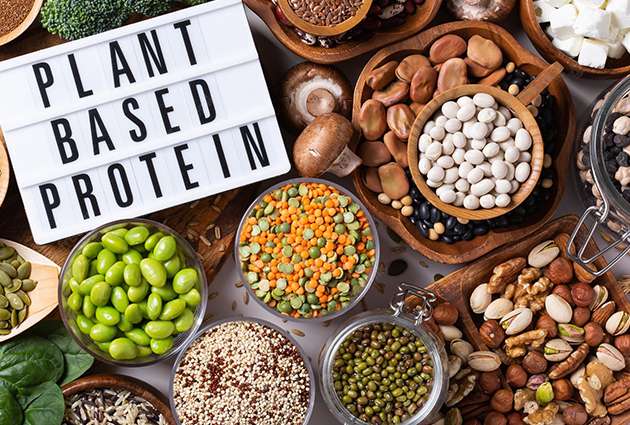
can thrive on plant proteins. Consider adding these to your diet:
Soy: From
soy milk to tofu, soy offers a protein punch.
Legumes:
Beans, lentils, and peas are excellent choices.
Nuts and
Seeds: Almonds, chia seeds, and pumpkin seeds provide protein.
Plant-Based
Protein Powders: These supplements can be helpful, especially if you’re active
or
need an
extra boost.
Myth 2: Pairing Plant Proteins Is Essential
Fact: Unlike animal proteins, plant-based
proteins vary in amino acid content. You don’t need to obsessively combine
complementary proteins at every meal. Focus on variety and balance throughout
the day.
Myth 3: High-Quality Plant Proteins Are Rare
Fact: Not all plant proteins are inferior.
Mycoprotein (found in Quorn) rivals milk protein in quality. Additionally,
labeling plant proteins as “low quality” overlooks the cumulative effect of a
day’s worth of diverse plant protein consumption.

Myth 4: Plant-Based Protein Timing Doesn’t Matter
Fact: To optimize muscle growth and
maintenance, distribute your protein intake evenly throughout the day. Aim
for 20-40g of protein every 3-4 hours. Don’t save it all for dinner;
spread the plant-based goodness across your meals.
Myth 5:
Plant Proteins Lack Essential Amino Acids
Fact: Plant-based proteins provide
essential amino acids. While individual sources may be low in specific amino
acids, combining various foods ensures a complete amino acid profile. Think
beyond meat and explore the rich tapestry of plant proteins.
Conclusion
Embrace the
power of plant-based proteins! They not only benefit your health but also
contribute to a more sustainable planet. So next time you enjoy a lentil curry
or sprinkle chia seeds on your smoothie, know that you’re nourishing your body
and supporting the environment simultaneously.
Remember,
variety is key. Consult a registered dietitian or nutritionist to tailor your
plant-based protein journey to your unique needs. Happy plant-powered eating!


.png)

0 Comments
If you have any doubts.please let me know