

We all have a sweet tooth, and sugar is often our go-to choice for satisfying it. However, in recent years, honey has gained popularity as a potential alternative to refined sugar. Let's explore whether honey truly stands out as a better replacement.
Myth 1: Honey Is Healthier Than Sugar
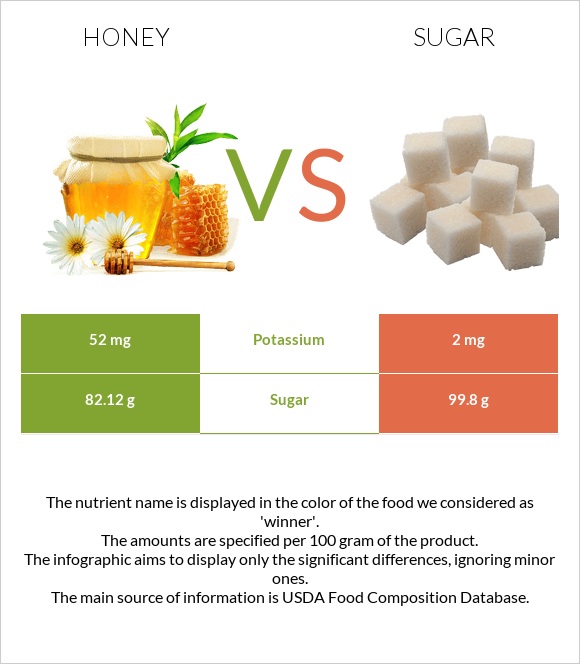
Fact: While honey does contain trace
amounts of vitamins, minerals, and antioxidants, it is still a form of sugar.
Both honey and sugar provide empty calories without significant nutritional
benefits. Moderation is key; excessive consumption of either can lead to health
issues.
Myth 2: Honey Has a Lower Glycaemic Index (GI)
Fact: The GI measures how quickly a food
raises blood sugar levels. Honey does have a slightly lower GI than table
sugar, but the difference is minimal. It's essential to consider the overall
context of your diet and not rely solely on GI values.
Myth 3: Honey Supports Weight Loss
Fact: Some believe that honey aids weight
loss due to its potential metabolism-boosting properties. However, studies are
inconclusive. Honey still contributes to calorie intake, so swapping it for
sugar won't magically shed pounds.
Myth 4: Honey Is Better for Diabetics
Fact: Diabetics should approach honey with
caution. Although it affects blood sugar more gradually than sugar, it still
impacts glucose levels. Consult a healthcare professional before incorporating
honey into your diabetic diet.
Myth 5: Honey Is More Natural
Fact: Both honey and sugar undergo processing. Honey is extracted from bees and filtered, while sugar comes from sugarcane or sugar beets. Neither is inherently more "natural." Choose based on personal preference and health considerations.

Conclusion
Honey isn't a miraculous elixir, but it does offer a different flavour profile and potential minor health benefits. Use it mindfully, savour its unique taste, and remember that moderation matters. Whether you reach for honey or sugar, balance and awareness are key to a healthier lifestyle.


.png)

0 Comments
If you have any doubts.please let me know